Solar sounds simple from the outside. Panels on the roof. Inverter on the wall. Power from the sun. Lower bills.
But a solar system is not just a few panels bolted into place. The way it is planned and installed can make a big difference to how well it works, how long it lasts, and whether it becomes a good investment or a frustrating one.
Many solar installation problems do not show up on day one. The system may switch on, the app may look fine, and the panels may appear neat from the ground.
The issues often appear later, when output is lower than expected, faults keep popping up, or parts of the system start wearing earlier than they should.
Here are the common problems to watch for and how to avoid them before they turn into expensive headaches.
Poor Solar Panel Placement
One of the biggest solar panel installation problems is poor panel placement.
This can happen when panels are installed where they fit, rather than where they will perform best. A roof may have plenty of space, but that does not mean every section is ideal for solar.
Things that affect panel placement include:
- Roof direction
- Roof angle
- Shade from trees, chimneys, vents or nearby buildings
- Future shade as trees grow
- How sunlight moves across the roof during the day
A system can look impressive, but if panels are sitting in the wrong spot, the output may never match what was promised.
How To Avoid It
Before installation, your solar installer should assess the roof properly, not just guess from a quick look. They should explain where the panels are going, why that section has been chosen, and how shade may affect output.
If you are only shown a basic layout without any real explanation, ask more questions.
The System Size Does Not Match Your Usage
Bigger is not always better.
One of the common problems with solar installations is installing a system that does not match the household or business usage. Some systems are too small to make a meaningful difference.
Others are oversized without a clear reason, which can create poor payback if the energy is not being used well.
The right size depends on more than your roof space. It should consider:
- How much power you use
- When you use most of your power
- Whether you are home during the day
- Whether you plan to add a battery later
- Future needs, such as EV charging or business growth
How To Avoid It
Ask for a recommendation based on your actual usage, not just a generic package. A good installer should be able to explain why a certain system size makes sense for your property.
Weak Roof Assessment Before Installation
Solar panels add weight and require fixings. If the roof is not checked properly first, it can lead to problems later.
This is especially important for older roofs, damaged roof sheets, cracked tiles, poor flashing, or areas that already have leaks. Solar should not be installed over a roof issue and treated as if everything is fine.
How To Avoid It
Before agreeing to the job, ask whether the roof condition will be checked as part of the process. Any obvious roof concerns should be addressed before the panels are installed.
It is much easier to fix roof issues before solar goes on than after.
Rushed Wiring And Poor Cable Management
Wiring is one of the parts homeowners rarely see, but it matters.
Poor cable management can lead to faults, weather exposure, water entry, or messy work that becomes harder to service later. Cables should be secured, protected and installed with long-term safety in mind.
A solar system should not just work on installation day. It should be installed neatly enough that future maintenance, inspections and upgrades are straightforward.
How To Avoid It
Look for an installer who talks about the full installation, not just panel brands and inverter specs. Ask how cabling will be run, where the inverter will sit, and how the system will be protected from weather.
Inverter Installed In The Wrong Spot
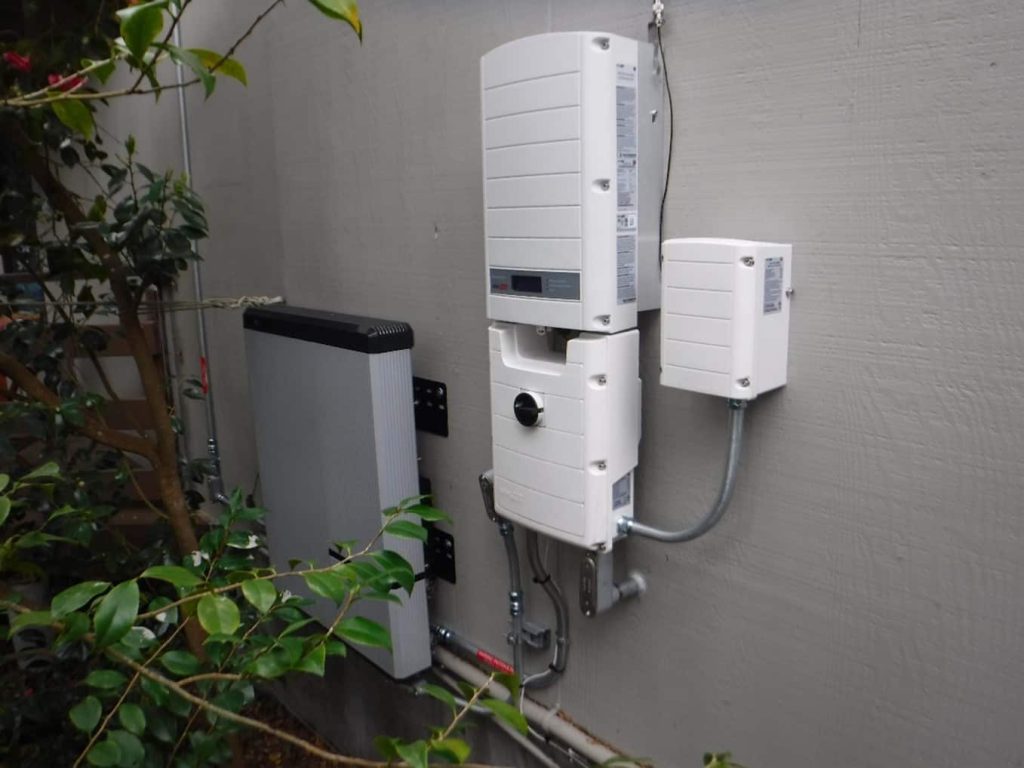
The inverter is a major part of the solar system. It converts the electricity from the panels into usable power for your home or business.
One common issue is placing the inverter in a spot that is too exposed, too hot, hard to access, or poorly ventilated. Heat and weather exposure can shorten its lifespan and affect performance.
How To Avoid It
The inverter should be installed somewhere practical, protected and accessible. It should not be treated as an afterthought. Ask your installer where it will be placed and why.
Choosing A Cheap System Without Looking At The Install
A low price can look appealing, but solar is one of those things where the installation matters just as much as the equipment.
A cheaper quote may leave out important details, use less suitable components, or rely on a rushed install. That can lead to performance issues, warranty problems, or extra costs later.
The cheapest system is not always the cheapest over time.
How To Avoid It
Compare quotes properly. Look at what is included, how the system is designed, what brands are used, how the installation will be handled, and who will support you afterwards.
A proper solar quote should give you confidence, not leave you guessing.
No Clear Explanation Of How The System Works
A solar installation should not end with the installer leaving and you trying to work everything out yourself.
Some homeowners are never shown how to monitor their system, check production, understand warning signs, or know who to call if something looks wrong. This can mean small issues are missed until they become bigger problems.
How To Avoid It
Before the job is complete, ask for a clear handover. You should know:
- How to monitor your system
- What normal output looks like
- What alerts or warning signs to watch for
- Who to contact for support
- What warranty information applies
You do not need to become a solar expert, but you should understand the basics.
Get The Install Right From The Start
Most solar installation problems are not random. They usually come back to poor planning, rushed work, weak communication or a system that was sold without properly understanding the property.
A good solar installation should feel clear before the work begins. You should understand what is being installed, where it is going, why it suits your usage, and how it will be supported after the job is done.
For solar installation in Canberra, True Connection Electrical can help you plan and install a solar system that suits your property, usage and long-term energy goals.
FAQs
Solar panels should not damage your roof when they are installed correctly. Problems usually happen when mounting points are poorly sealed, fixings are not suited to the roof type, or the installer does not handle the roof carefully during the job.
You may notice higher-than-expected power bills, low production in your monitoring app, frequent inverter alerts, or output that seems much lower than similar homes nearby. Seasonal changes are normal, but a big ongoing drop is worth checking.
Yes, heavy rain, strong wind, hail and extreme heat can expose weak installation work. A properly installed system should be designed and fitted to handle local conditions, but poor mounting or exposed components can create issues sooner.
It can be a good idea, especially if you are unsure about the quality of the work or your system is not performing as expected. A solar inspection can check safety, installation quality, system output and whether the setup matches what you were sold.
You should receive documents such as warranty details, product information, compliance certificates, system design details, and connection paperwork. These records are useful for future servicing, warranty claims and property resale.
They can, especially if the system was not installed by a licensed professional or does not meet required standards. It is worth telling your insurer when solar is installed and keeping all compliance paperwork.
Your solar app usually shows generation, while your electricity bill shows grid usage, export and charges. The numbers may not match directly because they measure different parts of your energy use.
In many cases, yes. Depending on the issue, an electrician or solar professional may be able to repair wiring, improve component placement, replace faulty parts or correct unsafe work. Some problems may require larger changes.
Yes. Solar output usually changes with the seasons, weather and daylight hours. Lower winter production does not always mean there is a fault, but sudden or unusual drops should be checked.
Start with the company that installed the system if the work is still under warranty. If you do not feel confident with their response, speak with a licensed electrician or solar installer who can inspect the system and explain what is happening.